Susan is ~an industry veteran~ a somewhat experienced engineer and her interactions with HR are typical of what I've seen so I would have expected her to know how things would play out. In my experience HR is never there to protect the employees. HR is there to make sure the company doesn't get into any hot legal waters.
Most of the time the easiest way to do that is to just suppress any wrongdoing and sideline whoever is being wronged. That's exactly how things played out in her story. Once again solidifying my opinion of HR being a company instead of an employee protector. If you see any wrongdoing then just get a lawyer. Never go to HR. Edit: Folks are right. She is not an industry veteran. Incorrect assumption on my part.
I wouldn't qualify her as an industry veteran. This is not how things would have played out at a lot of the risk-adverse companies I have worked for. I'm sure it does at some places and it's no surprise to hear this about Uber TBH. Being just a couple years out of college, I'm not sure why you would expect her to understand all the shity ways the world can work.
I am not sure why this post was down-voted, but the first statement is correct -- the author of the post is early in her career and is not an industry veteran. She has about 2 years of working experience, and does not qualify as an industry veteran.
I'm as horrified by the story as anyone, but I don't think the author can be considered an industry veteran. I just looked at her LinkedIn profile and she graduated from undergrad in 2014 and held two <=6 month jobs before joining Uber.
> Susan is an industry veteran and her interactions with HR are typical of what I've seen so I would have expected her to know how things would play out
Here's what she says she expected: > Uber was a pretty good-sized company at that time, and I had pretty standard expectations of how they would handle situations like this. I expected that I would report him to HR, they would handle the situation appropriately, and then life would go on Which sounds about right...
> HR is there to make sure the company doesn't get into any hot legal waters.
Yes, this I totally agree with. In these situations, HR is there to minimize risk for the company. > Most of the time the easiest way to do that is to just suppress any wrongdoing and sideline whoever is being wronged. This, however, I totally disagree with. I see a lot of comments saying that you can't trust HR because they are only there to protect the company, but that's why in cases like this you usually can trust HR, because their incentives (which are "don't expose the company to lawsuits") line up with yours. I'm sure other HR people are reading this blog post in complete horror, because Uber's HR org did basically everything you DON'T do in a professional HR org, and in the process have exposed the company to what could be a slam dunk lawsuit, not to mention horrible press. If even an iota of what Susan Fowler described was accurate, everyone up the chain in the HR org should be fired.
I had a couple of job offers, one was for Uber. I was super excited about the opportunity but I spoke with one of their engineers (former) and he warned me off accepting the offer - said it was a toxic, sexist workplace and said he would not recommend women to work there. Needless to say I declined.
I'm going to look into it. I was shocked to see that Susan was a research assistant at UP until 2015 and now has a book out about production microservices. That's some carrier trajectory in two years.
Jeez this sucks. Everything that happened was so completely unacceptable. I really hope people are held accountable for this stuff. This kind of behavior isn't new and shouldn't be normal. The Infrastructure group specifically has is known for this politicking and bad culture. I work elsewhere, and though it isn't as bad, agree there is a big management problem at play. I'm sorry you couldn't find a team that supported you. Thank you Susan for writing all this.
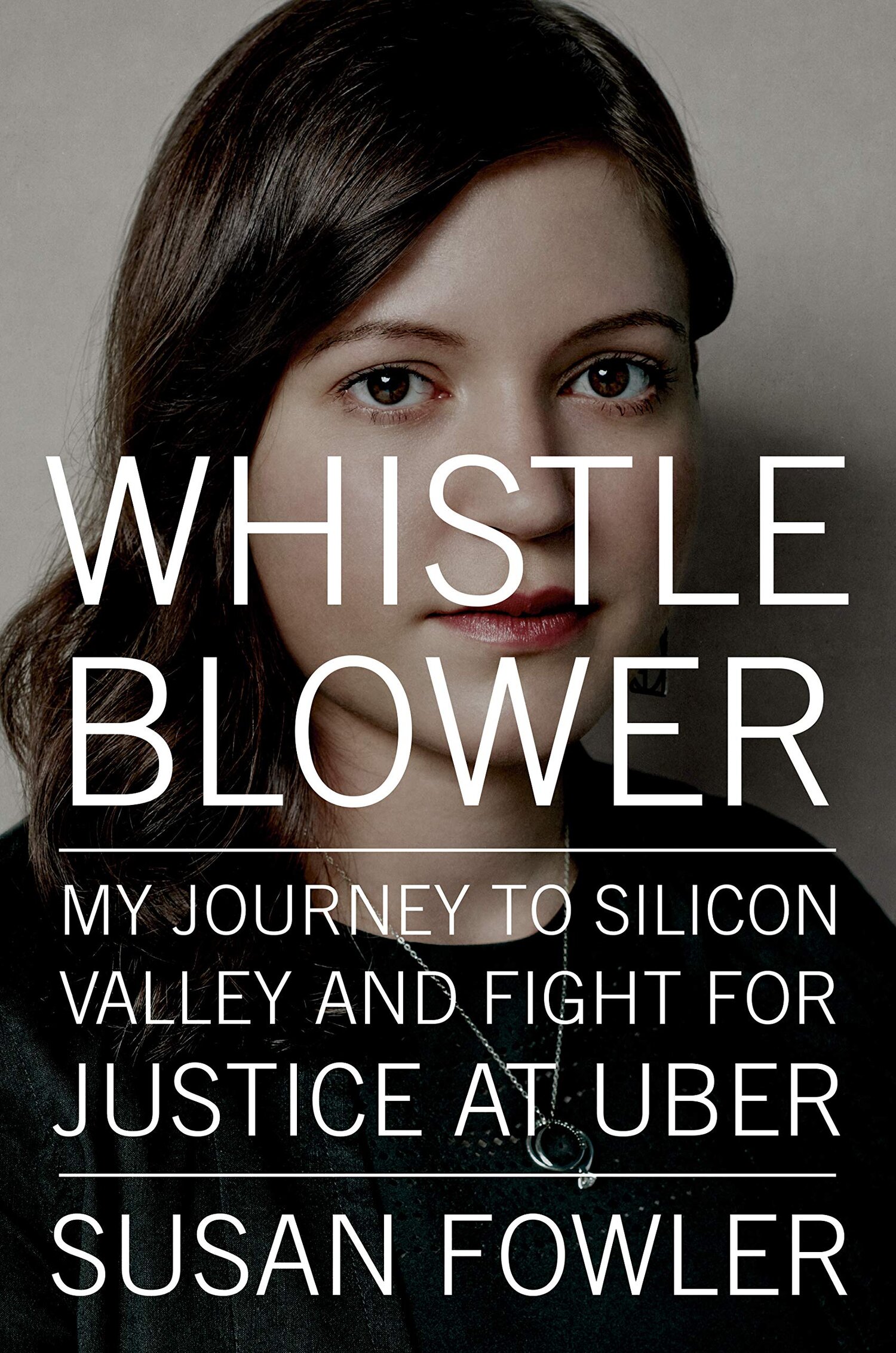
Comments (1,013) 152 threads
Earlier commentsMost of the time the easiest way to do that is to just suppress any wrongdoing and sideline whoever is being wronged. That's exactly how things played out in her story. Once again solidifying my opinion of HR being a company instead of an employee protector. If you see any wrongdoing then just get a lawyer. Never go to HR.
Edit: Folks are right. She is not an industry veteran. Incorrect assumption on my part.
Here's what she says she expected:
> Uber was a pretty good-sized company at that time, and I had pretty standard expectations of how they would handle situations like this. I expected that I would report him to HR, they would handle the situation appropriately, and then life would go on
Which sounds about right...
Yes, this I totally agree with. In these situations, HR is there to minimize risk for the company.
> Most of the time the easiest way to do that is to just suppress any wrongdoing and sideline whoever is being wronged.
This, however, I totally disagree with. I see a lot of comments saying that you can't trust HR because they are only there to protect the company, but that's why in cases like this you usually can trust HR, because their incentives (which are "don't expose the company to lawsuits") line up with yours.
I'm sure other HR people are reading this blog post in complete horror, because Uber's HR org did basically everything you DON'T do in a professional HR org, and in the process have exposed the company to what could be a slam dunk lawsuit, not to mention horrible press. If even an iota of what Susan Fowler described was accurate, everyone up the chain in the HR org should be fired.
All comments shown.
Couldn't load more comments. Check your connection and try again.