One of the main selling point when they introduced ads was that they would be clearly marked as such. The ads were on the side so that they couldn't be confused with the search results. This was sold in contrast to all the other "bad" search engines who would first show a page of ads that looked like search results.
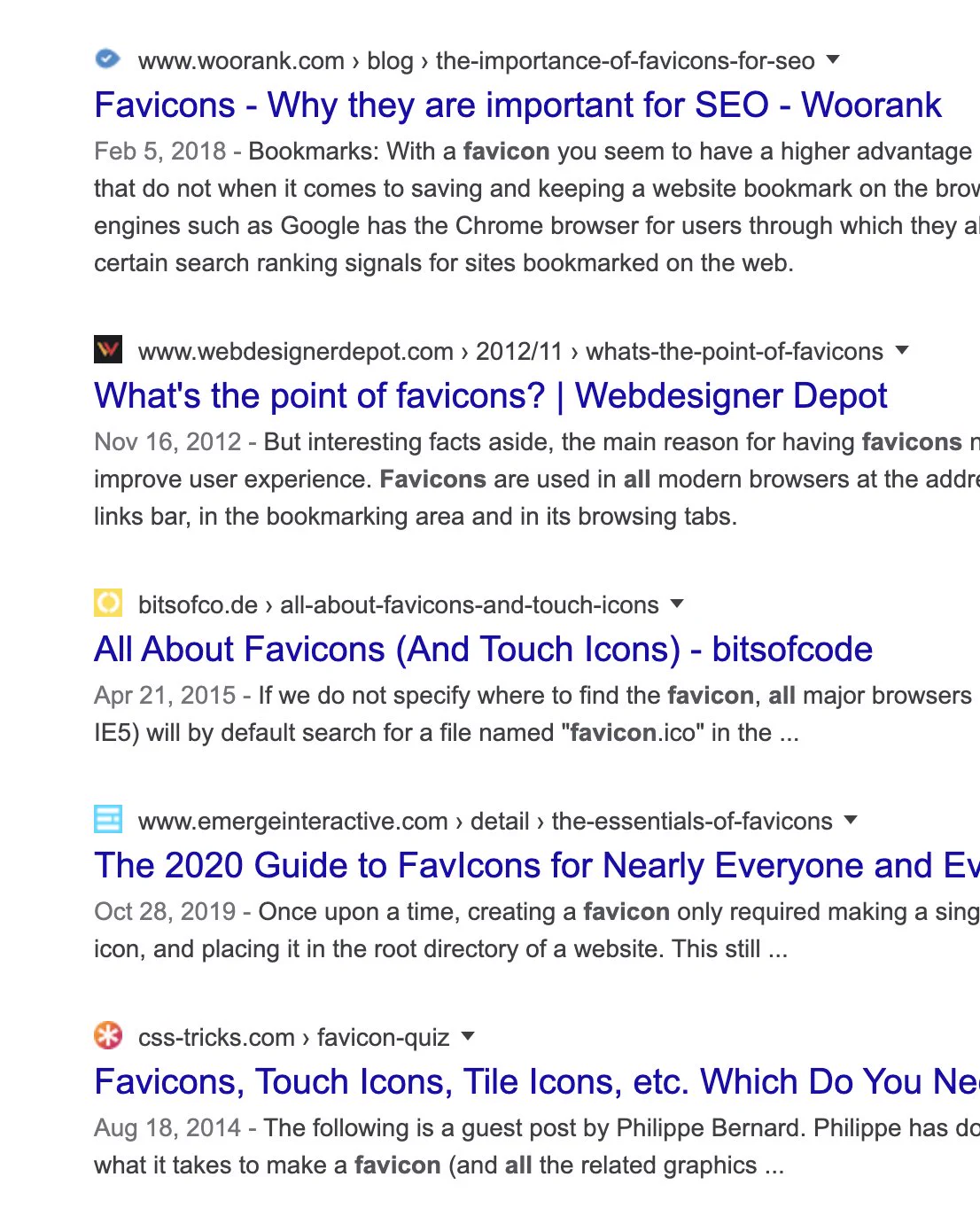
So a bad person can steal favicon of say New York Times and trick users clicking their fake links because eventually users will get used to establishing "credibility" of brand by recognizing the favicons? (granted the bad person is great at SEO best practices and their search results show up at the top)
I used to use google search regularly to search for new websites with the types of things I am looking for. Now I hardly bother going to new websites unless somebody mentions it personally and I navigate to it directly.
I still do lots of image searches. I wonder if those are also heavily influenced by ads now.
Comments (972) 192 threads
Earlier commentsOne of the main selling point when they introduced ads was that they would be clearly marked as such. The ads were on the side so that they couldn't be confused with the search results.
This was sold in contrast to all the other "bad" search engines who would first show a page of ads that looked like search results.
Personally I wouldn't know I have been using ddg for the last few months and I highly recommend it.
I still do lots of image searches. I wonder if those are also heavily influenced by ads now.
All comments shown.
Couldn't load more comments. Check your connection and try again.