Show HN: Put this touch sensor on a robot and learn super precise tasks (opens in a new tab)any-skin.github.io
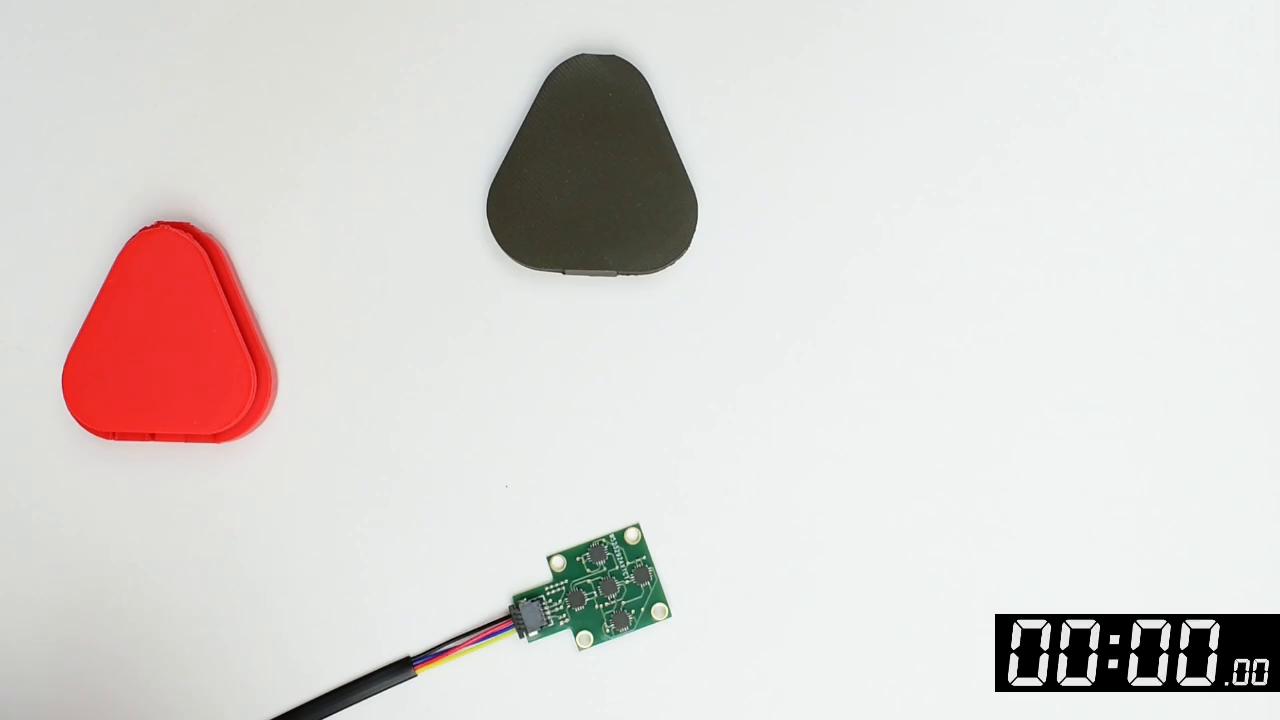
390 pointsWe just released a very excited touch sensor that finally simplifies touch sensing for robotics.
Our most exciting result: Learned visuotactile policies for precise tasks like inserting USBs and credit card swiping, that work out-of-the-box when you replace skins! To the best of our knowledge, this has never been shown before with any existing tactile sensor.
Why is this important? For the first time, you could now collect data and train models on one sensor and expect them to generalize to new copies of the sensor -- opening the door to the kind of large foundation models that have revolutionized vision and language reasoning.
Would love to hear the community's questions, thoughts and comments!
Comments (66) 27 threads
Earlier comments(Interesting fact: in MLX90393, you can customize 2 lower address bits using config pins, and there are multiple part numbers which only differ in higher address bits - so a single bus can have dozens of magnetometers attached. It's a very helpful feature, a lot of magnetometers are designed for compass use only, and thus have no support for address customization at all)
All comments shown.
Couldn't load more comments. Check your connection and try again.