Show HN: Simple algorithm and color space to generate diverse skin tones (opens in a new tab)toneyalexander.github.io
627 pointsHello HN!
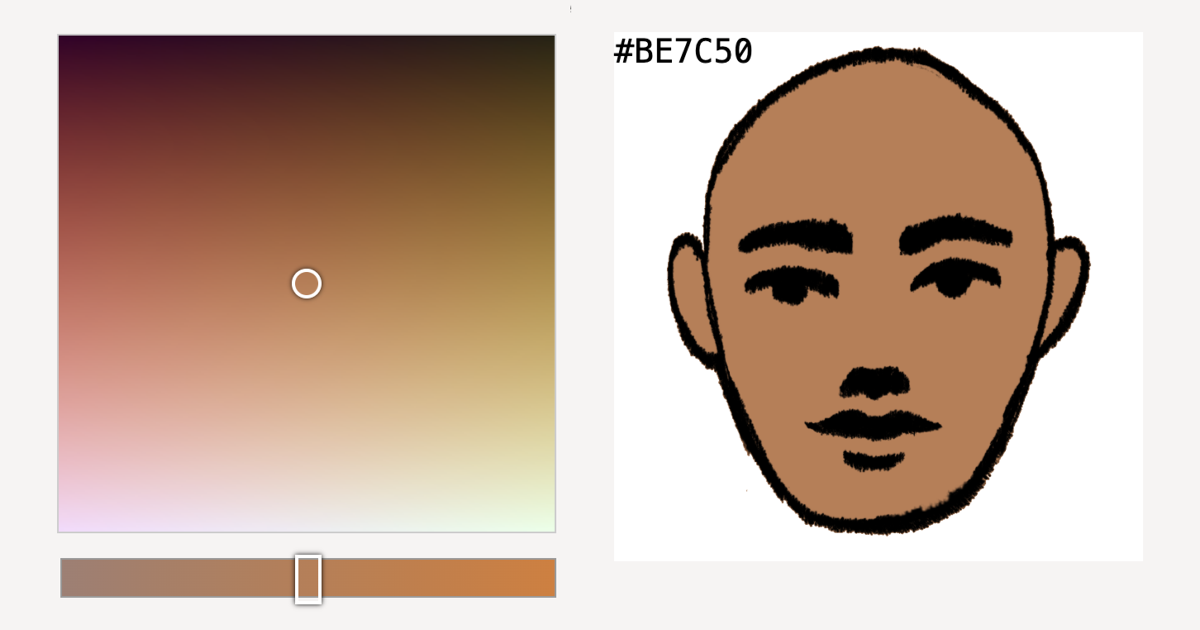
I found that picking out plausible but diverse skin tones for my digital art and game development projects was kind of difficult, and I got curious about if there was a way to define a color space that made it easy.
I've built a color picker and procedural generation algorithm based on the space as well as a bunch of other fun js features and demos throughout the page that use the equations. If you find it interesting, I have lots of explanations of how I built it and what properties the space has.
The methodology might be a bit shaky, but hopefully the result is as helpful for others as I have found it! There's lots of room for improvements (see the Future Work section), but I'm really happy with how it turned out.
Comments (99) 54 threads
Earlier commentsThe JS code seems to output linear RGB directly to the webpage (missing gamma). I guess the difficulty with "adding gamma" to it is this: if the training data were also gamma encoded, then it might need to be refit with linear values.
So even when you get the palette right, to paint it like a believable material in a convincing way is still super hard!
Would love to see this 3-D picker ability in the many character designers out there, instead of the lame 8 swatches or whatever.
All comments shown.
Couldn't load more comments. Check your connection and try again.