First time I’ve seen a real project using this. How far is embedded rust away from “prime time” you think? Also, the STM32 is a system supervisor, did it really need an RTOS?
Yeah! Embedded Rust on STM32* right now is pretty good! A lot of consolidation has happened in the device crates and HAL crates recently, so I'm adjusting a bit. But, it's looking good.
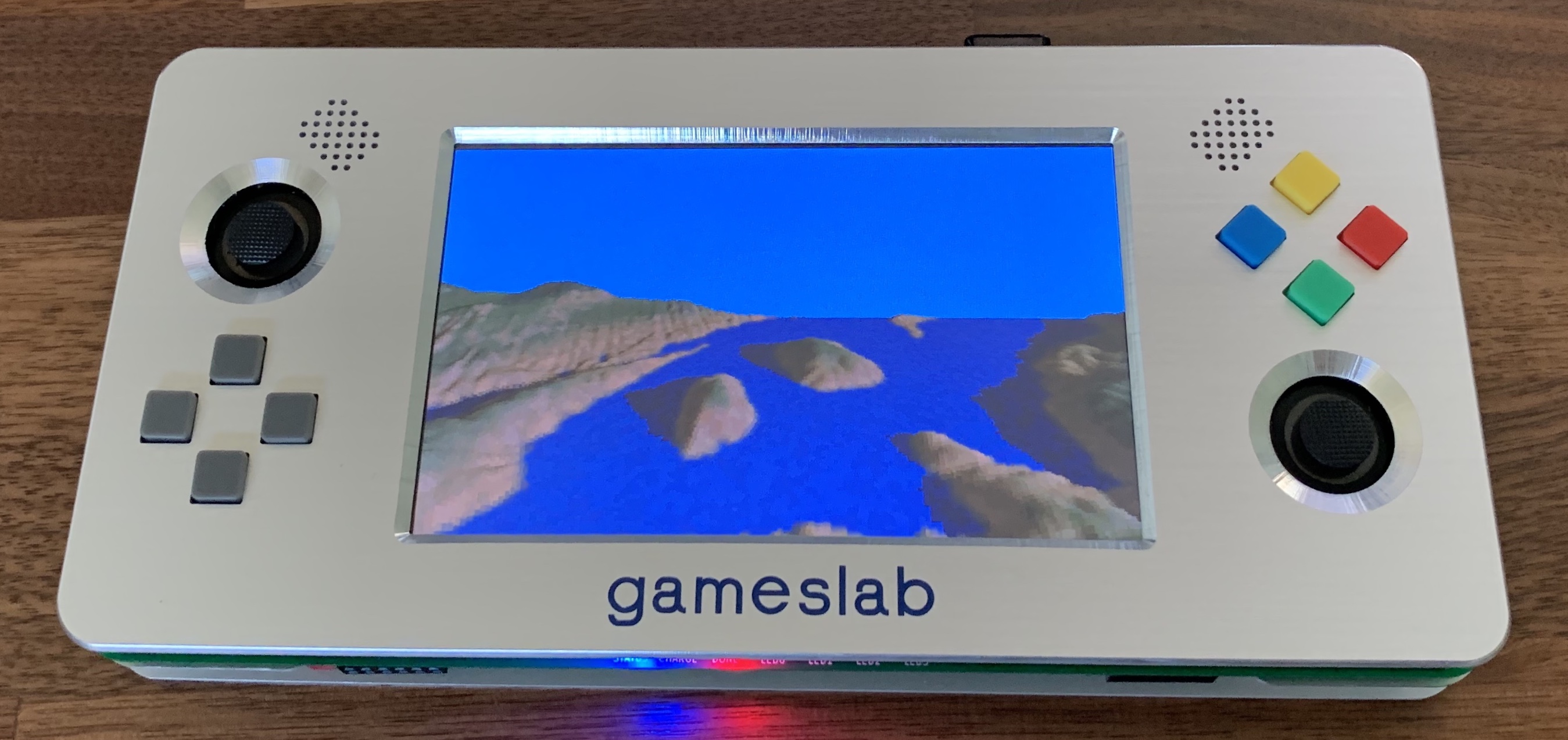
I'm actually working on a post about restarting my firmware using the latest and greatest (I started working on this firmware over a year ago). I used the RFTM real-time OS (RTOS) because it's super light-weight and handy for checking at compile time that my interrupt handlers don't cause conflicts. It's really a nice framework for any event-based firmware (a big chunk).
Not really a whole lot. FPGAs work best where you have precise timing requirements or really wide signals.
Most game engines are about throughput and I don't think you'd see a lot of use for them, heck we had a hard enough time using the PS3 back when I was in the industry and that wasn't nearly as wide as a FPGA can be.
Yeah, I was going to mention the PS3 too. It was the most unique hardware of the generation and definitely took the longest for devs to adjust to and learn to leverage fully.
Comments (50) 19 threads
Earlier commentsBasically the holy grail of emulation... Not-emulation.
First time I’ve seen a real project using this.
How far is embedded rust away from “prime time” you think?
Also, the STM32 is a system supervisor, did it really need an RTOS?
I'm actually working on a post about restarting my firmware using the latest and greatest (I started working on this firmware over a year ago).
I used the RFTM real-time OS (RTOS) because it's super light-weight and handy for checking at compile time that my interrupt handlers don't cause conflicts. It's really a nice framework for any event-based firmware (a big chunk).
Most game engines are about throughput and I don't think you'd see a lot of use for them, heck we had a hard enough time using the PS3 back when I was in the industry and that wasn't nearly as wide as a FPGA can be.
All comments shown.
Couldn't load more comments. Check your connection and try again.