A little late on the draw here, but this is a serious contender for submission of the decade IMO. FPGAs are one of the last frontiers of computing that I'm curious about, as the realtime requirements of audio processing make GPUs somewhat of a non-starter for this particular application of grid computing. Really impressed at seeing this level of thoroughness and polish. Congratulations!
I just ported my 3D engine to Raspberry, the latest (4) has a new, really good GPU! I'm looking forward to something like the compute module for the Raspberry 4 because then the mods community will port it to their handhelds, only problem is power, it uses ~5W so you need a huge battery!
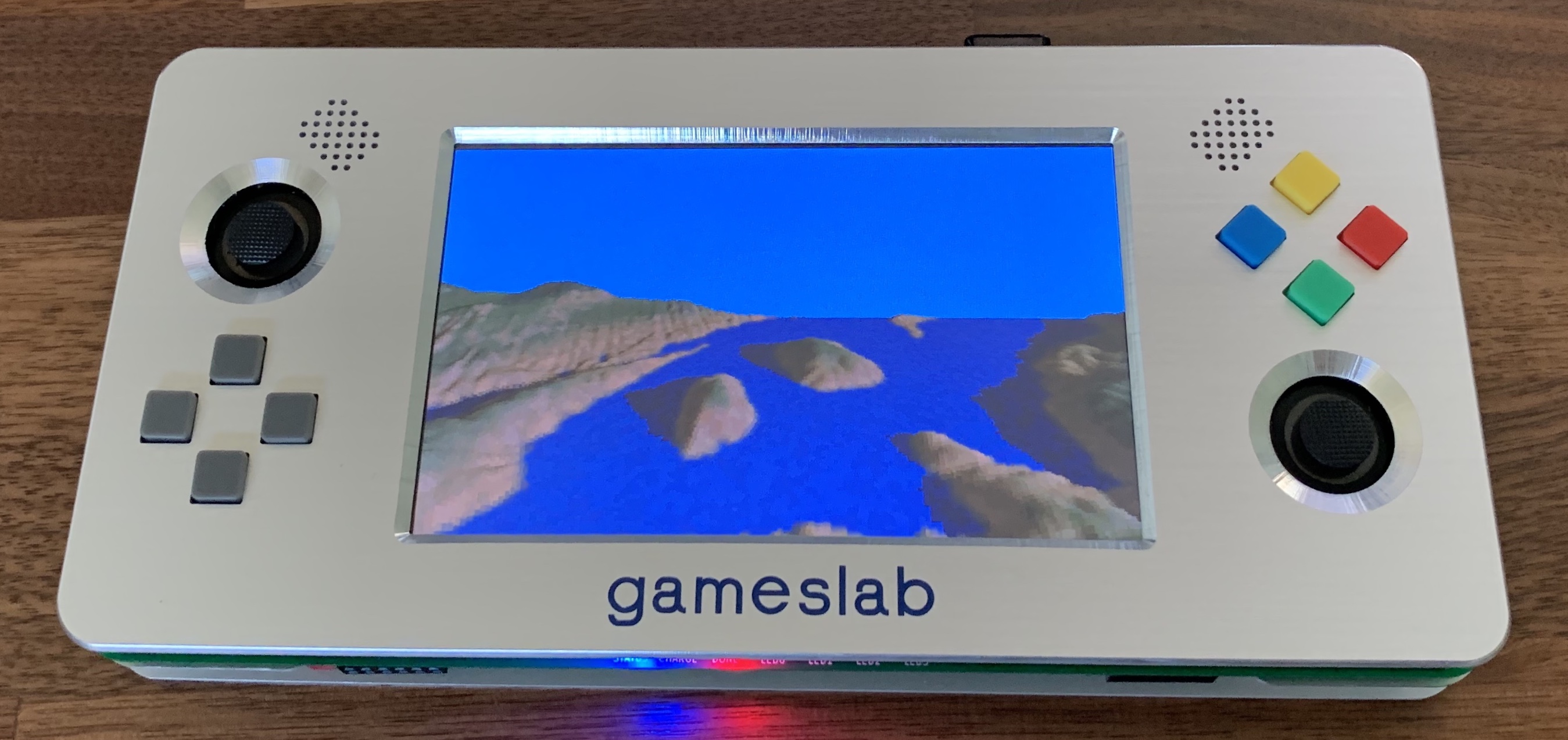
I don't think 5W is too far off from what this thing draws under load. I have a 10,000mAh ~4.2V battery in it, and I get about 10 hours of life. The battery is clunky, 9.6mm thick, since it was originally intended for external phone battery packs.
This is an amazing Show HN. The best bit was “I did this because I'm lazy” I suspect not somehow.
I did wonder why those chips were so expensive? I have a super limited knowledge of hardware so I was unable to figure it out exactly.
Thanks again and I can’t wait for more write ups.
FPGAs with large fabric are expensive because they're more useful than smaller FPGAs and because the number of viable chips that come from the fabrication process is smaller, meaning they are literally more rare and harder to make successfully. The most expensive FPGA devices can cost more than USD$30,000 per device (per chip.)
Comments (50) 19 threads
Earlier commentsAll comments shown.
Couldn't load more comments. Check your connection and try again.