>In China each adult citizen is getting a government mandated "social credit score". This represents how well behaved they are, and is based on crime records, what they say on social media, what they buy, and even the scores of their friends.
This really isn't all that different than what is happening elsewhere across the world today. Your Uber rider score represents your "social credit" for that service. Your Airbnb guest reviews impact if you will be allowed to rent a room. Each platform is putting social credit in place via crowd-sourced "trust" EDIT: I don't mean to minimize China's human rights violations, but to posture that independently of central control many companies are implementing their own versions of these systems, which can have _some_ of the same effects in terms of losing access to services. Obviously one's Uber scores won't put you in jail / detainment camp and I was not intended to imply such.
This is also not new, this reminds me of the early days of eBay with user ratings impacting your ability to buy / sell goods (especially as a new account).
This is drastically different than having a government mandated program. Airbnb and Uber are both are both opt-in and it's not all that difficult to get a fresh profile on these services.
It's extremely different. It's so so so so different.
The Chinese surveillance state is incredibly more massive and pervasive, the list of infractions includes incredibly more minor actions (and include political speech that is in anyway dissident), the consequences of a low score are so much more dire (unable to fly, travel, live in certain places, etc).
It's a difference of degree and monopoly on violence.
... and even degree of monopoly on violence. Uber can do quite a bit of damage to a person by choosing to refuse service if someone needs to urgently be somewhere (or away from somewhere). Airbnb is controlling access to safe shelter. If Amazon grocery stores took off, having a bad Amazon account could deny a person access to food. I don't think it would take more than a handful of gig-economy service corporations unifying under one umbrella of data-sharing for the average American to start experiencing something a bit similar to the Chinese experience of social score. For now, there's no incentive for them to do so.
If you have an Uber or Airbnb score low enough to get banned from the platform, you're the problem and you'd have a very hard time arguing otherwise once you start revealing the reviews people have left you. You're probably vomiting in Uber cars every weekend when you get blackout drunk and destroying property on Airbnb. Maybe other people should know these things about you before they accidentally do business with you. Of course, once I think of actual implementation of such a thing, I only encounter showstoppers and ay, there's the rub. But the goal doesn't seem categorically wrong. Though I also admit the inability to have a practical implementation that works is a good reason to condemn anything. I'm just radicalized by horrible ex-tenants and like to smile as I ponder the utopia where trashing my place echoes in their lives forever.
It's the number associated with my bank account that dictates how much I can travel, where I can live, what kind of education I can get, and even whether I can eat. This is pervasive throughout modern civilization. China's social credit system is trivial in comparison.
While that might sound deep, that's more a measure of others' unwillingness to do things for you for free.
The charity of others isn't enough to fly you around the world and give you beachfront property and iPhone. They'll want something in return so long as they have other aspirations beyond serving you.
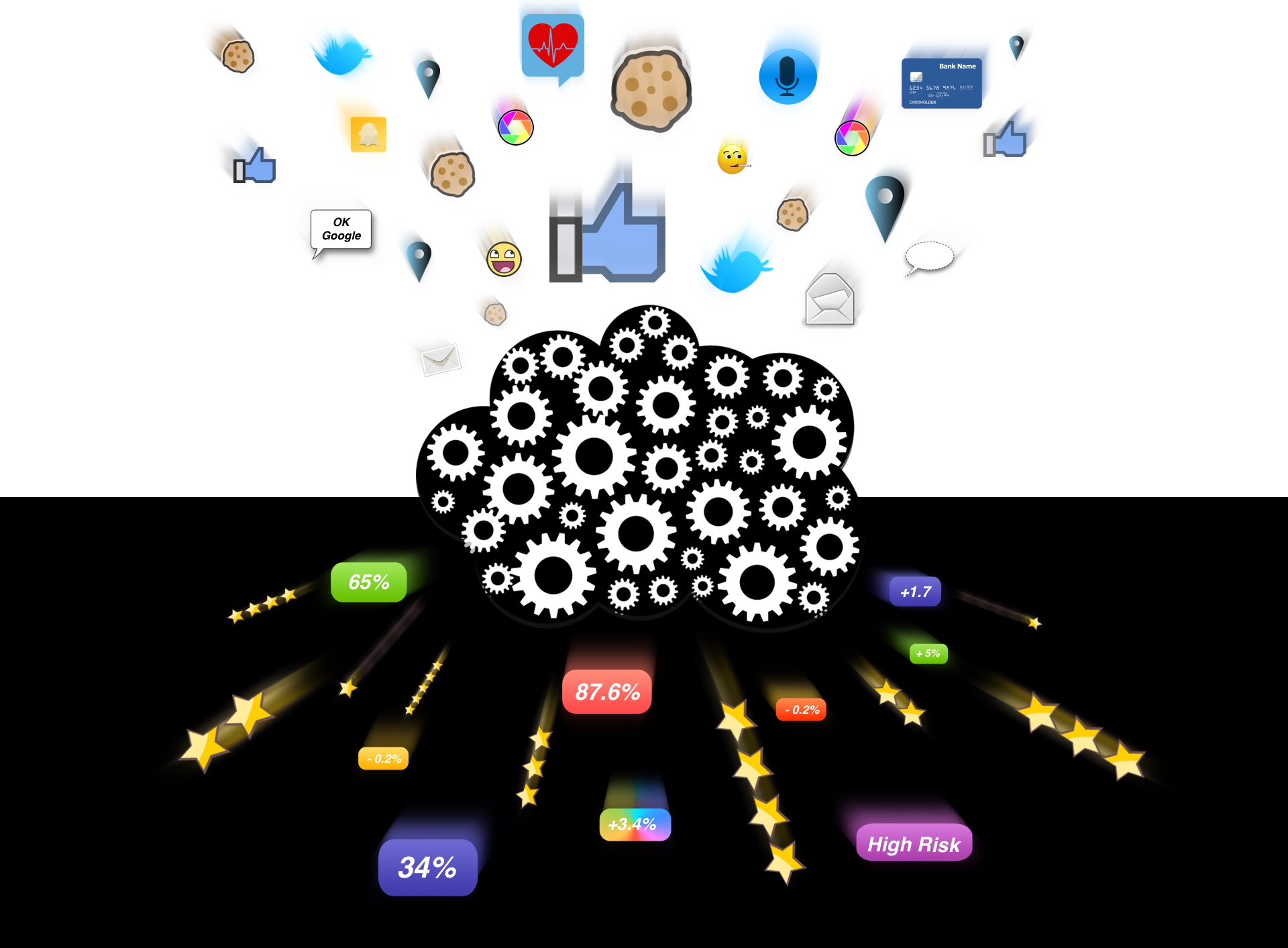
It's a slower slide, but over time this information is centralised into a fewer and fewer large data brokers, what the scores means will become standardised across industries meaning eventually there will be no escape by going to competitors. This enables companies to start charging based on automatically generated risk profiles, some of which will end up being generated based on political preference (or proxies for it) Eventually this means that people with bad scores will be unable to afford certain things in the same way that they have trouble accessing credit. Credit scores are just the beginning.
For instance, imagine you are an airline. You have an issue to do with deportation critics disrupting flights when people are being forcibly deported on them. This happens fairly infrequently but costs you quite a lot of money every time this happens. So, 'logically', you decide to determine who is most likely to disrupt a flight and so through discriminatory thinking somebody decides that those with left-wing political leanings are more likely to disrupt a flight. They purchase this information on political leanings for each of their passengers and pass this cost onto those who fit the profile, entirely on the basis of their political beliefs. And if they don't do this directly, they will do it by proxy in the same way that the insurance industry has been using proxies for race. https://www.forbes.com/sites/advisor/2020/07/23/insurance-re... It's a sort of insurance-ification of all pricing and permission which this kind of technology is increasingly enabling.
Comments (1,058) 123 threads
Show all comments
Showing thread 123 of 123
This really isn't all that different than what is happening elsewhere across the world today. Your Uber rider score represents your "social credit" for that service. Your Airbnb guest reviews impact if you will be allowed to rent a room. Each platform is putting social credit in place via crowd-sourced "trust"
EDIT: I don't mean to minimize China's human rights violations, but to posture that independently of central control many companies are implementing their own versions of these systems, which can have _some_ of the same effects in terms of losing access to services. Obviously one's Uber scores won't put you in jail / detainment camp and I was not intended to imply such.
In the US you mean.
The Chinese surveillance state is incredibly more massive and pervasive, the list of infractions includes incredibly more minor actions (and include political speech that is in anyway dissident), the consequences of a low score are so much more dire (unable to fly, travel, live in certain places, etc).
... and even degree of monopoly on violence. Uber can do quite a bit of damage to a person by choosing to refuse service if someone needs to urgently be somewhere (or away from somewhere). Airbnb is controlling access to safe shelter. If Amazon grocery stores took off, having a bad Amazon account could deny a person access to food.
I don't think it would take more than a handful of gig-economy service corporations unifying under one umbrella of data-sharing for the average American to start experiencing something a bit similar to the Chinese experience of social score. For now, there's no incentive for them to do so.
If you have an Uber or Airbnb score low enough to get banned from the platform, you're the problem and you'd have a very hard time arguing otherwise once you start revealing the reviews people have left you.
You're probably vomiting in Uber cars every weekend when you get blackout drunk and destroying property on Airbnb.
Maybe other people should know these things about you before they accidentally do business with you. Of course, once I think of actual implementation of such a thing, I only encounter showstoppers and ay, there's the rub. But the goal doesn't seem categorically wrong.
Though I also admit the inability to have a practical implementation that works is a good reason to condemn anything. I'm just radicalized by horrible ex-tenants and like to smile as I ponder the utopia where trashing my place echoes in their lives forever.
Continue this thread — 4 replies
they can restrict access, but not control it, because Airbnb doesn't have a monopoly on safe shelter.
Continue this thread — 1 reply
The charity of others isn't enough to fly you around the world and give you beachfront property and iPhone. They'll want something in return so long as they have other aspirations beyond serving you.
Continue this thread — 1 reply
For instance, imagine you are an airline. You have an issue to do with deportation critics disrupting flights when people are being forcibly deported on them. This happens fairly infrequently but costs you quite a lot of money every time this happens. So, 'logically', you decide to determine who is most likely to disrupt a flight and so through discriminatory thinking somebody decides that those with left-wing political leanings are more likely to disrupt a flight. They purchase this information on political leanings for each of their passengers and pass this cost onto those who fit the profile, entirely on the basis of their political beliefs.
And if they don't do this directly, they will do it by proxy in the same way that the insurance industry has been using proxies for race. https://www.forbes.com/sites/advisor/2020/07/23/insurance-re...
It's a sort of insurance-ification of all pricing and permission which this kind of technology is increasingly enabling.