Show HN: OK-Robot: open, modular home robot framework for pick-and-drop anywhere (opens in a new tab)ok-robot.github.io
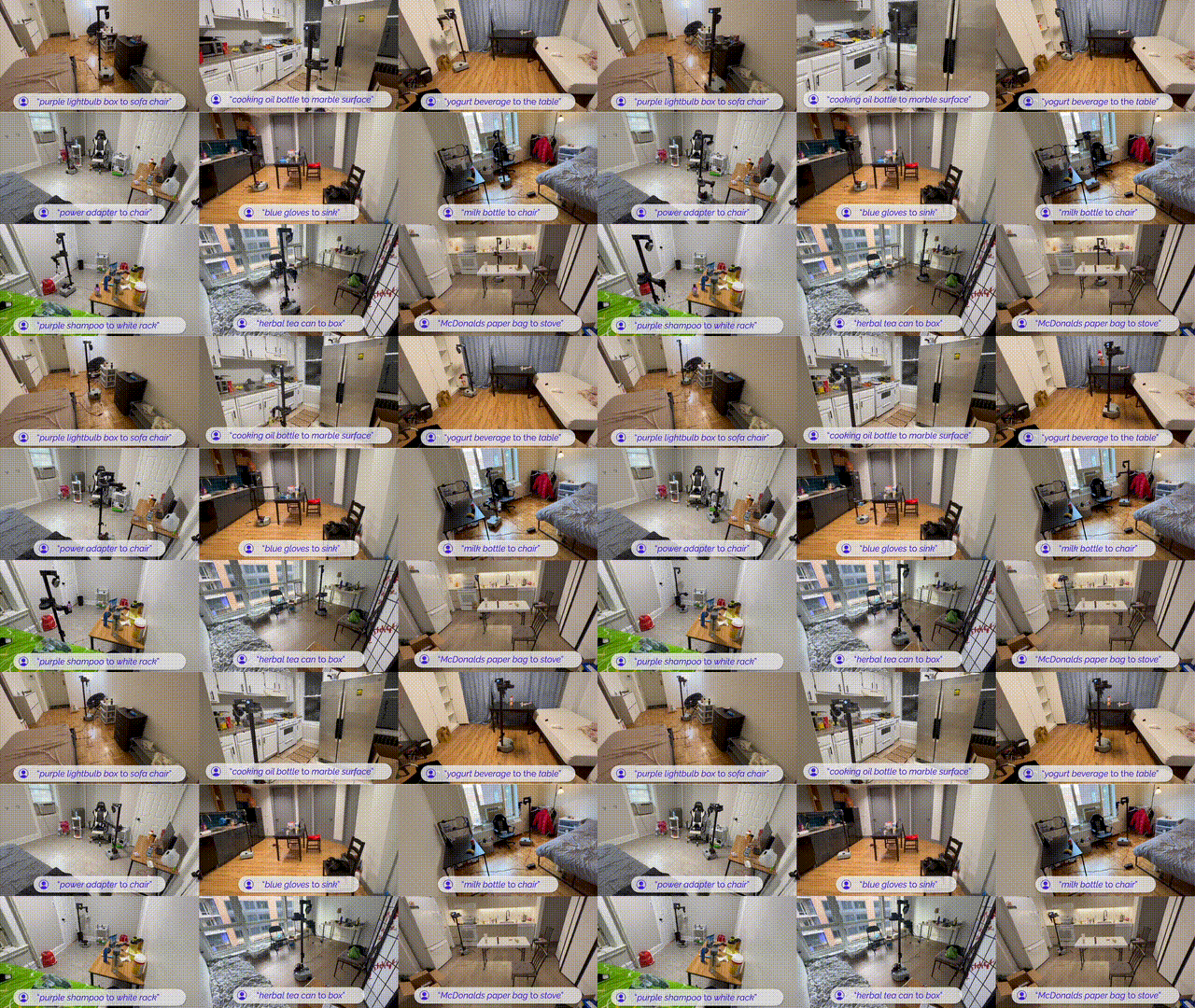
542 pointsWe based everything off of the current best machine learning models, and so things don't quite work perfectly all the time, so we are hoping to build it together with the community! Our code is open: https://github.com/ok-robot/ok-robot and we have a Discord server for discussion and support: https://discord.gg/wzzZJxqKYC If you are curious what works and what doesn't work, take a quick look at https://ok-robot.github.io/#analysis or read our paper for a detailed analysis: https://arxiv.org/abs/2401.12202
P.S.: while the code is open the project unfortunately isn't fully open source since one of our dependencies, AnyGrasp, has a closed-source, educational license. Apologize in advance, but we used it since that was the best grasping model we could have access to!
Would love to hear more thoughts and feedback on this project!
Comments (110) 28 threads
Show all comments
Showing thread 11 of 28