Lurker News
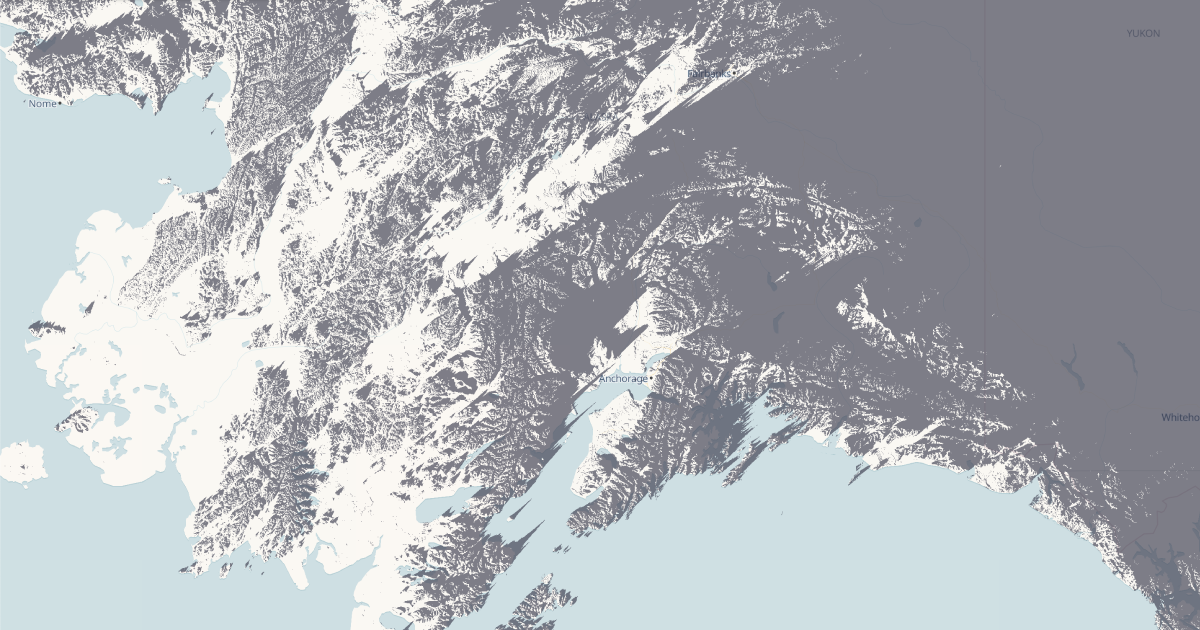
I've been working on this project for about 4 years. It began as terrain only because world wide elevation data was publicly available. I then added buildings from OpenStreetMap (crowd sourced) and more recently from Overture Maps data. Some computer vision/machine learning advancements [1] in the past few years have made it possible to estimate tree canopy heights using satellite imagery alone making it possible to finally add trees to the map. The data isn't perfect, but it's within +/- 3 meters of so. Good enough to give a general idea for any location on Earth. Happy to answer any questions.
[1] https://www.nature.com/articles/s41559-023-02206-6

Comments (183) 83 threads

Show all comments

Showing thread 12 of 83

rwmj6 replies#
One thing I often wonder is do car crashes happen more frequently when the sun is low in the sky and facing traffic? Surely someone has got together the data on traffic accidents, maps, times and a model of the earth/sun to work this out!

(Google search results for this are full of spam from a mix of motor insurance companies and sunglass companies)

Aachen#
Couldn't tell you where I've read this but I heard years ago that it makes a difference indeed. Now I'm wondering if that was just the person who said or wrote it just giving an example of what kind of considerations you need to incorporate when optimising for safety, or if they actuality had data on this
kfarr#
Yes
grecy1 reply#
As a young driver I was given the advice that if you see a lot of oncoming cars using their sunshade or squinting into the sun as they come towards you, it's time to pull over and wait it out.

Driving with the sun at your back is never a good time to be on the road.

dolmen#
Crossing the road as a pedestrian neither.
robszumski#
I was on a bike stopped at a stoplight and was rear-ended by a car for this very reason.
tazlor#
There is a section of I-70 in Colorado that experiences temporary closures due to severe sun glare at certain times of the day and year. https://www.codot.gov/travel/sunglare