Show HN: Put this touch sensor on a robot and learn super precise tasks (opens in a new tab)any-skin.github.io
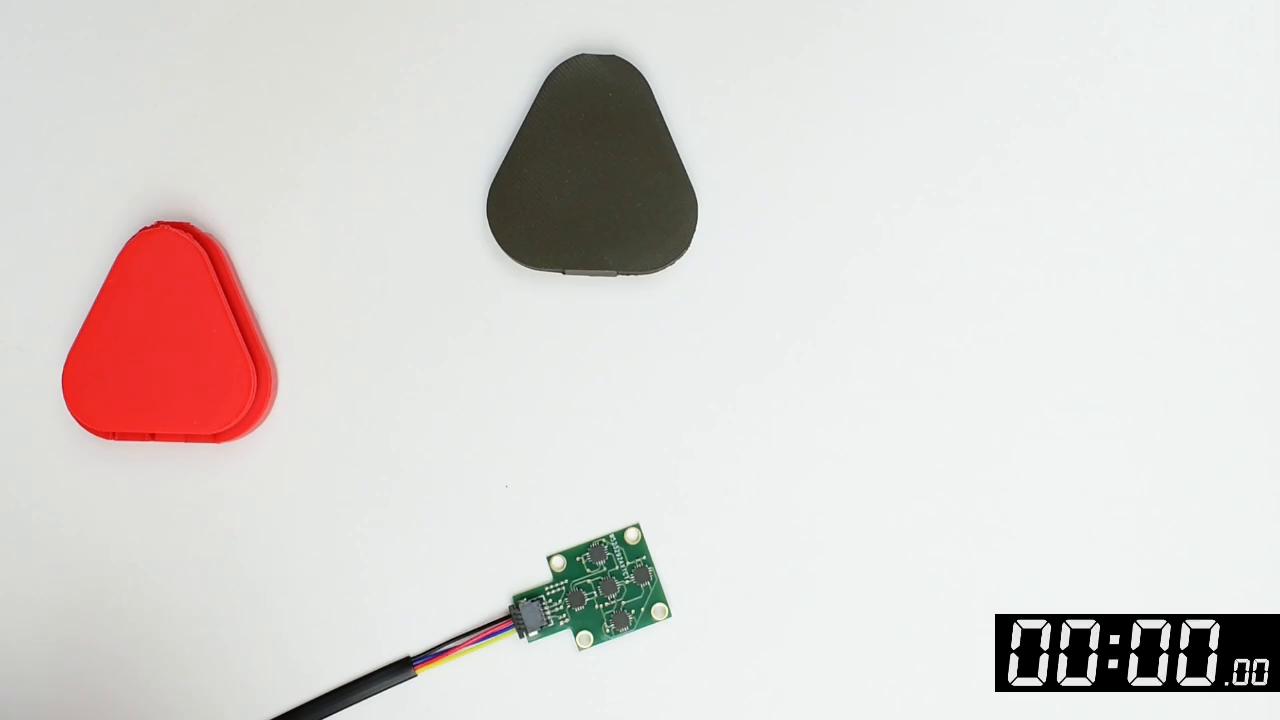
390 pointsWe just released a very excited touch sensor that finally simplifies touch sensing for robotics.
Our most exciting result: Learned visuotactile policies for precise tasks like inserting USBs and credit card swiping, that work out-of-the-box when you replace skins! To the best of our knowledge, this has never been shown before with any existing tactile sensor.
Why is this important? For the first time, you could now collect data and train models on one sensor and expect them to generalize to new copies of the sensor -- opening the door to the kind of large foundation models that have revolutionized vision and language reasoning.
Would love to hear the community's questions, thoughts and comments!
Comments (66) 27 threads
Earlier comments[0]https://www.kjmagnetics.com/proddetail.asp?prod=D101-N52
Skin is our largest organ. It’s like another vision system with high bandwidth signal but we don’t have anything close in digital world.
Even putting snow gloves heavily impairs dexterity since we can’t feel as much.
So rather than this specific study, if there is any soft polymer that would survive sterilization techniques, you could make the skin out of that specifically for this purpose (or give the robot a glove).
So, that's a question of commercialization and product range rather than the technique itself.
All comments shown.
Couldn't load more comments. Check your connection and try again.