Show HN: Simple algorithm and color space to generate diverse skin tones (opens in a new tab)toneyalexander.github.io
627 pointsHello HN!
I found that picking out plausible but diverse skin tones for my digital art and game development projects was kind of difficult, and I got curious about if there was a way to define a color space that made it easy.
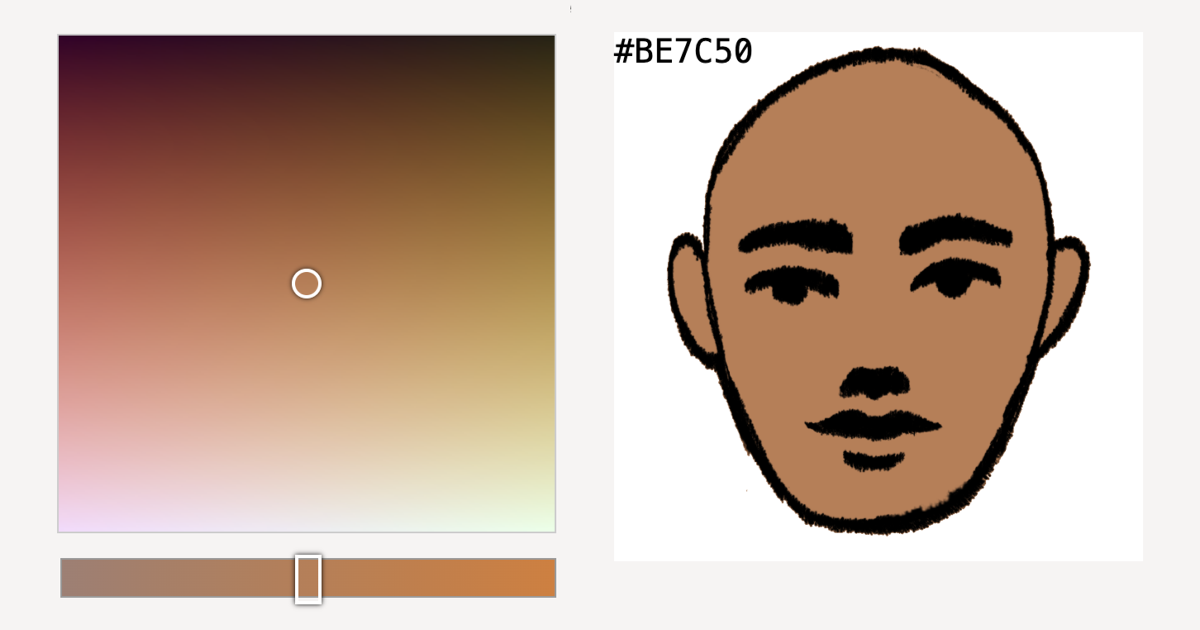
I've built a color picker and procedural generation algorithm based on the space as well as a bunch of other fun js features and demos throughout the page that use the equations. If you find it interesting, I have lots of explanations of how I built it and what properties the space has.
The methodology might be a bit shaky, but hopefully the result is as helpful for others as I have found it! There's lots of room for improvements (see the Future Work section), but I'm really happy with how it turned out.
Comments (99) 54 threads
Show all comments
Showing thread 2 of 54
It seems like some work was done to research existing approaches, but I don't see any reference to Pantone Skin Tones [0]. Without intending to, I've worked on 3 different projects which involved measuring skin tones for makeup applications. The Pantone range is not 100% perfect, but it's pretty well done and easy to understand. There are two axes: a light/dark one, and red-yellow one [1].
[0] https://www.pantone.com/na/en-us/skintone
[1] https://cosmeticsbusiness.com/pantone-skintone-guide-80945
The person inviting you to a picnic "next week" might need to know about Time Zones if they live some distance away. The requirement to update the CSS on the web site to match a new company logo might need to know about Colour Spaces. But that picnic invite doesn't care about Calendar systems or Leap Seconds, and the logo mandate doesn't care about Sub-surface scattering or a Quantum theory of light.