I love that retro game emulation has spawned this massive culture of super complicated and roundabout ways to replicate $50 consoles. It’s everything I love about DIY projects in general.
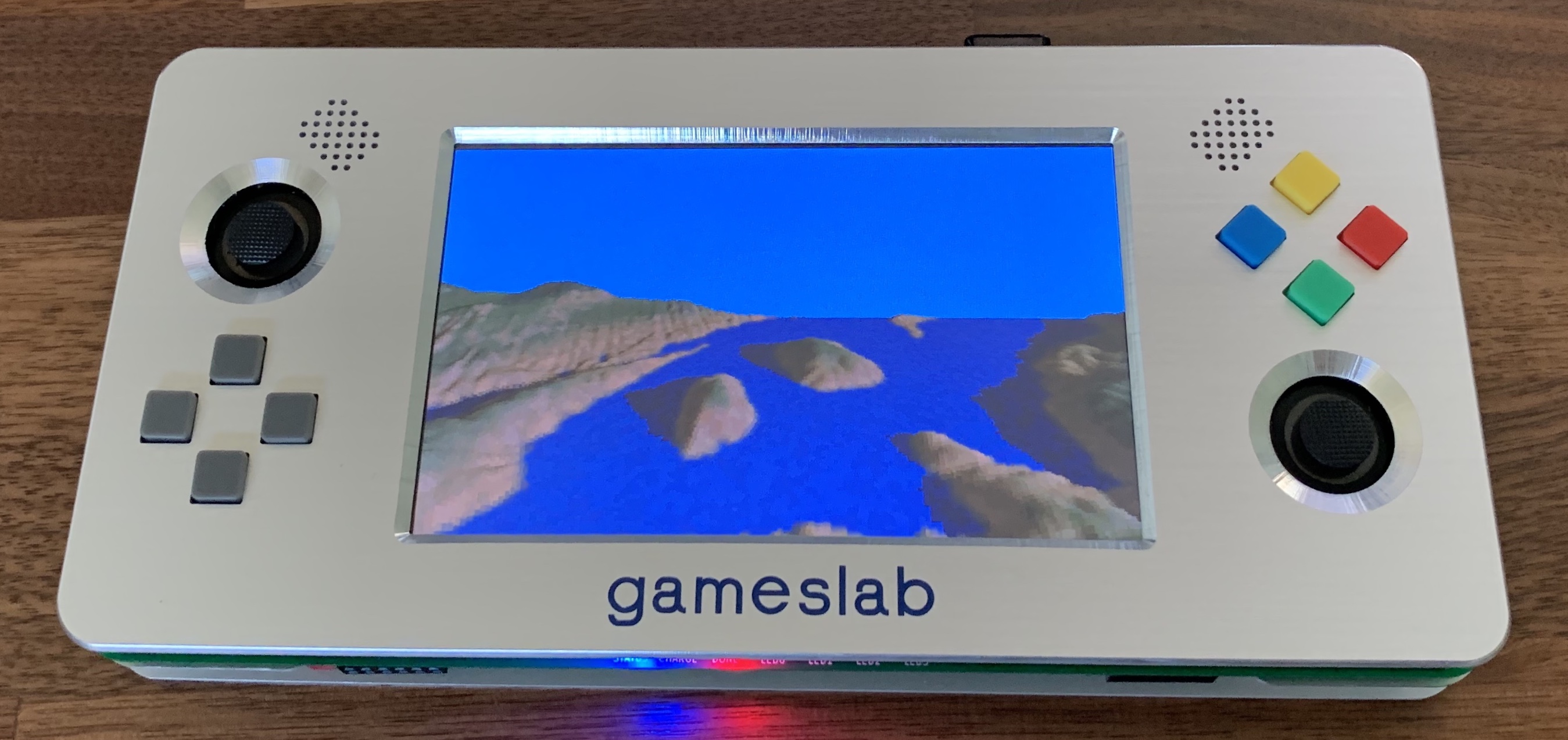
I actually didn't originally intend it to be for retro game emulation, more for experimenting with custom hardware for each game and with 3D acceleration hardware. But, the idea of putting retro emulators in the FPGA fabric is so easy. In fact, over the holidays, I'm working on porting some of the MiSTer FPGA retro emulators to the Gameslab: https://github.com/MiSTer-devel/Main_MiSTer/wiki
This seems Just the sort of thing that I need to make a physical version of my fantasy console.
It's 64k ram 8-bit avr instruction set and a blitter doing a variety of data formats. It's not quite ready for prime-time yet, but you can see some of it online. The virtual hardware registers can be seen at
https://k8.fingswotidun.com/static/docs/io_registers.html It might be quite amenable to something like this.
Comments (50) 19 threads
Show all comments
Showing thread 1 of 19
I love that retro game emulation has spawned this massive culture of super complicated and roundabout ways to replicate $50 consoles. It’s everything I love about DIY projects in general.
I actually didn't originally intend it to be for retro game emulation, more for experimenting with custom hardware for each game and with 3D acceleration hardware. But, the idea of putting retro emulators in the FPGA fabric is so easy.
In fact, over the holidays, I'm working on porting some of the MiSTer FPGA retro emulators to the Gameslab: https://github.com/MiSTer-devel/Main_MiSTer/wiki
It's 64k ram 8-bit avr instruction set and a blitter doing a variety of data formats. It's not quite ready for prime-time yet, but you can see some of it online. The virtual hardware registers can be seen at https://k8.fingswotidun.com/static/docs/io_registers.html It might be quite amenable to something like this.
Continue this thread — 1 reply