Show HN: Put this touch sensor on a robot and learn super precise tasks (opens in a new tab)any-skin.github.io
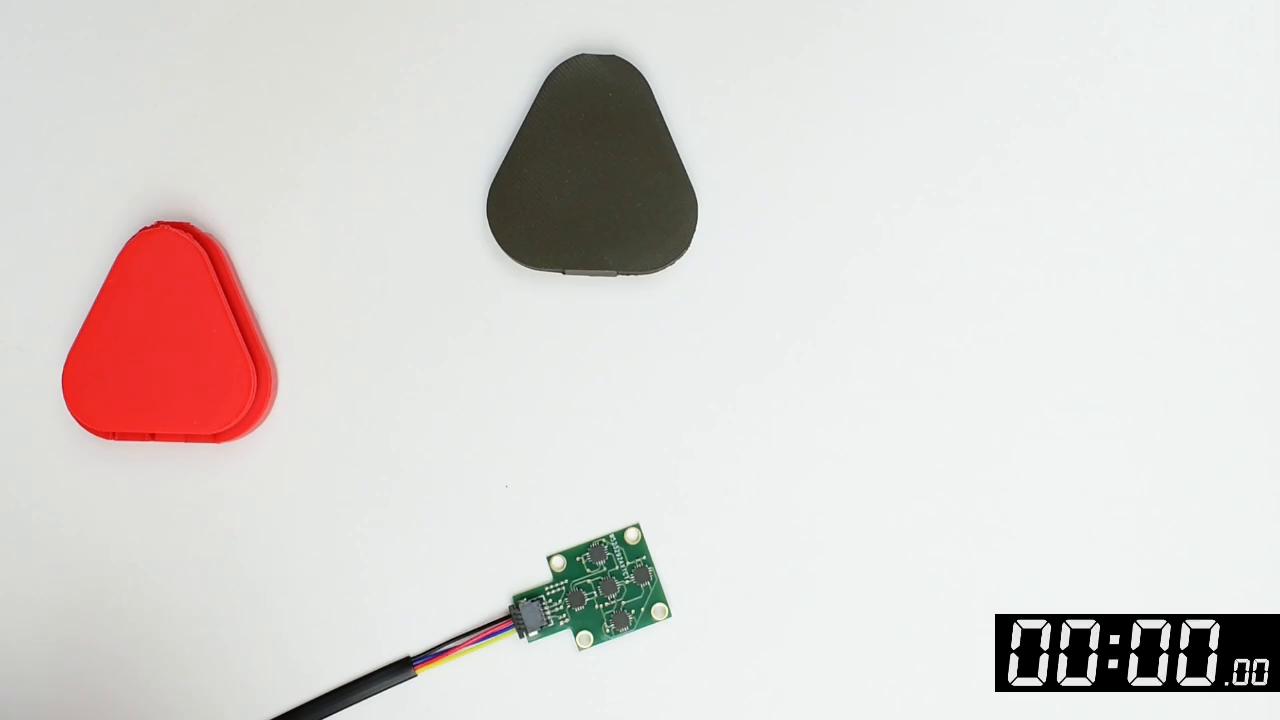
390 pointsWe just released a very excited touch sensor that finally simplifies touch sensing for robotics.
Our most exciting result: Learned visuotactile policies for precise tasks like inserting USBs and credit card swiping, that work out-of-the-box when you replace skins! To the best of our knowledge, this has never been shown before with any existing tactile sensor.
Why is this important? For the first time, you could now collect data and train models on one sensor and expect them to generalize to new copies of the sensor -- opening the door to the kind of large foundation models that have revolutionized vision and language reasoning.
Would love to hear the community's questions, thoughts and comments!
Comments (66) 27 threads
Show all comments
Showing thread 9 of 27
-The company that makes Magnequench presumably knows their particles can be embedded in other materials. What's the most common use case for these types of particles? Are they typically embedded in fixed (non-flexible) solid medium or liquids?
-Is it necessary to use Dragon Skin? The idea of mixing magnetic particles in a semi-solid medium is intriguing to me. Like putting particles into Jello or Silly Putty. Could I then apply an external magnetic field and have the particles deform/shape the medium they are in?